A Place for Straight Razor Stuff
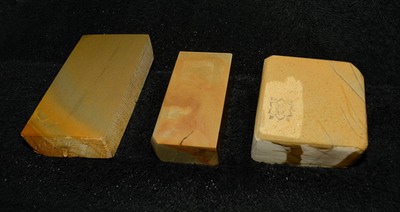
Jnats, or Tennen Toishi, are extremely versatile, especially when used with Mikawa Nagura and a Tomo Nagura. Capable of taking a razor from pre-bevel set to a brilliant finish, these stones are not only beautiful but extremely capable. Click on the Karasu Awase to enter the gallery.
Tomo Nagura – smaller pieces of the Honzan that are used to raise an abrasive slurry to work the edge with. As the slurry breaks down and becomes finer, the edge refines to a sharper and smoother state. Just click on the pic for a trip to Tomoville.
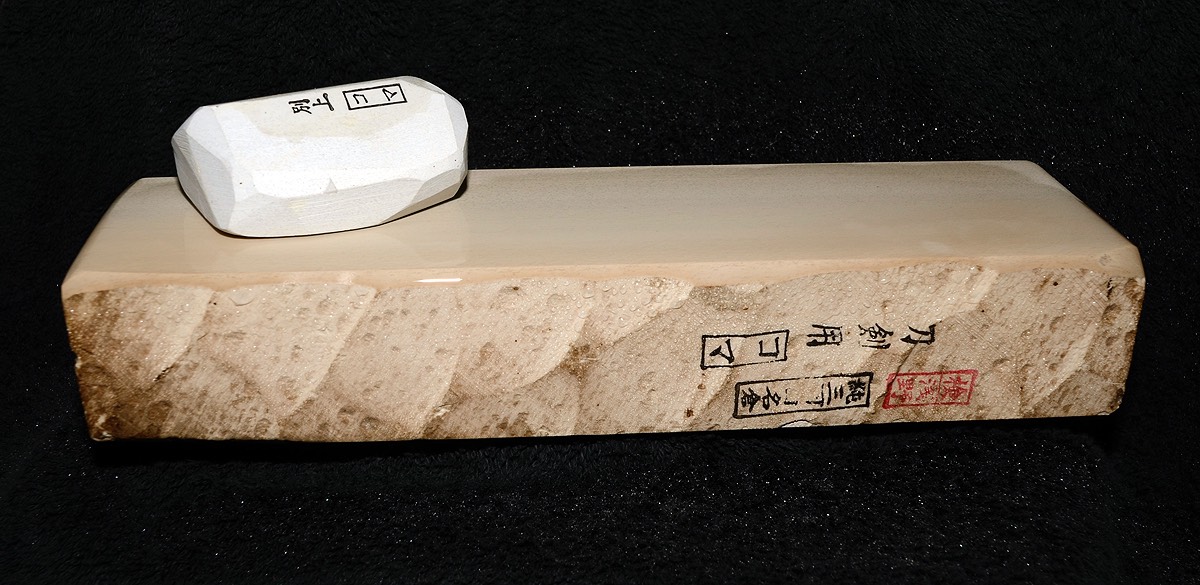
Mikawa Shiro Nagura – these are quarried in a different location than the harder Tennen Toishi. Each is taken from a different stratum and named accordingly. These are used progressively, starting with a coarse stone and ending with the finest. Click on the Koma to check out some Mikawa Pure White Nagura.
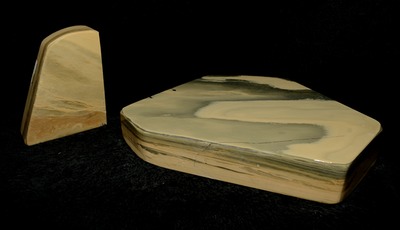
Belgian Coticules- these whetstones, known during the time of the Roman Empire, are owe their sharpening capabilities to a tiny Spessartine Garnets. They’re extremely versatile; many use them as a one-stone honing solution. A click on the Les Lat will bring you straight to some fine stones from the quarry at Ardennes.
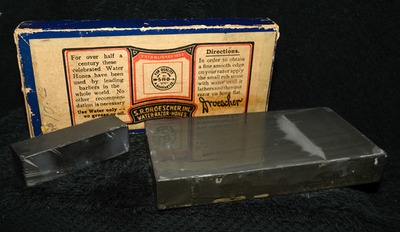
Various – this gallery features a variety of interesting natural whetstones from across the globe. In here you’ll see Escher Celebrated Water Stones, Thuringian hones branded by importers, Welsh and British slates, Arkansas stones and more. Clicking on the Thuri is the ticket to the Cornucopia.
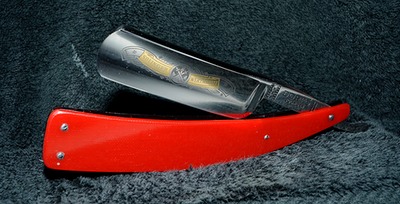
Vintage Straight Razors - this section will feature a small number of razors that I’ve restored or customized. The older straights, especially those from Sheffield England, interest me the most. There are many custom makers that are turning out really fine work, and some of the new offerings from Dovo and Ti are interesting also.
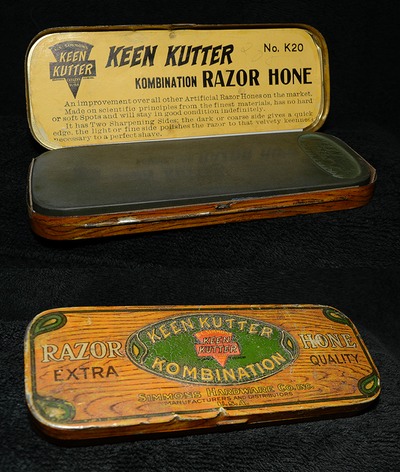
Synthetic Hone Stones – Synthetic stones work well for honing razors. Usually, I rely on them for early`stage work like bevel setting. The coarse stones really shine when big chips have to be removed or the blade needs to have its geometry fully redone. Barber Hones are mistaken for finishers, but they were originally used as a touch up option – to keep a working edge going. Some of these pocket-sized slabs work very well once you get the hang of using them.